We use cookies to make this site work. We'd also like to set optional cookies so we can understand how the site is used and improve it. We will not set optional cookies unless you accept them. You can change your choice at any time from the Cookie settings link in the footer.
Strictly necessary cookies
These cookies are required for the site to work. They store your cookie preferences and keep your session secure. They are exempt from consent under PECR Regulation 6(4) because they are essential to deliver the service you have requested.
Optional cookies
Optional cookies help us understand how the site is used and provide additional features such as analytics, accessibility tools and translation. We will only set them if you accept.

Tests and Results
You can view test results that have been shared with your GP surgery using the NHS App, your NHS account or other online services and apps.
View your test results online
You can view your test results online by logging into the NHS App or the NHS website.
To view your test results online, you must be:
- registered with a GP surgery
- aged 16 or over

Blood Tests
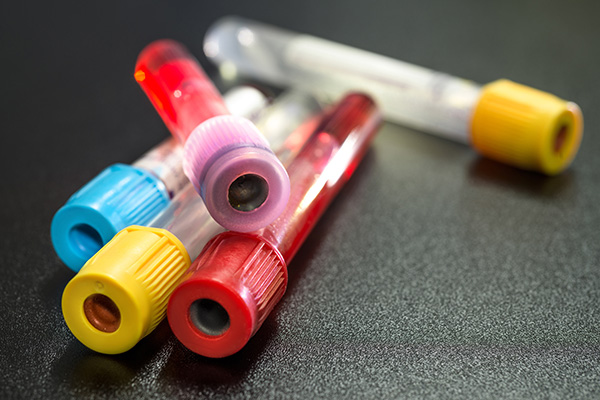
A blood test is when a sample of blood is taken for testing in a laboratory. Blood tests have a wide range of uses and are one of the most common types of medical test. For example, a blood test can be used to:
- assess your general state of health
- confirm the presence of a bacterial or viral infection
- see how well certain organs, such as the liver and kidneys, are functioning
A blood test usually involves the phlebotomist taking a blood sample from a blood vessel in your arm. and the usual place for a sample is the inside of the elbow or wrist, where the veins are relatively close to the surface. Blood samples from children are most commonly taken from the back of the hand. The child's hand will be anaesthetised (numbed) with a special cream before the sample is taken.
You can find out more about blood tests, their purpose and the way they are performed on the NHS website.
Patient Information: Fasting Blood Tests
If your doctor orders a fasting blood test, you should not have anything to eat or drink for 12
hours before you have your blood taken. Some examples of fasting blood tests are fasting
glucose, fasting triglycerides, fasting lipids and glucose tolerance.
Please note that for a glucose tolerance test, you will need to stay in the practice for one or
two hours (depending on the specific test your doctor ordered), so you may want to bring a
book, game or handwork to do while you wait.
Here are answers to some commonly asked questions about fasting.
Can I drink water?
Yes, you may drink small amounts of water.
Should I take my medication?
Yes, you should take any medication which has been prescribed to you by your doctor unless
your doctor tells you not to.
Can I drink juice?
No.
Can I drink coffee or tea?
No.
Can I chew gum?
No.
Can I smoke?
No. Smoking can affect your test results.
Can I go to my exercise class?
No. Exercise can affect your test results.
X-Ray
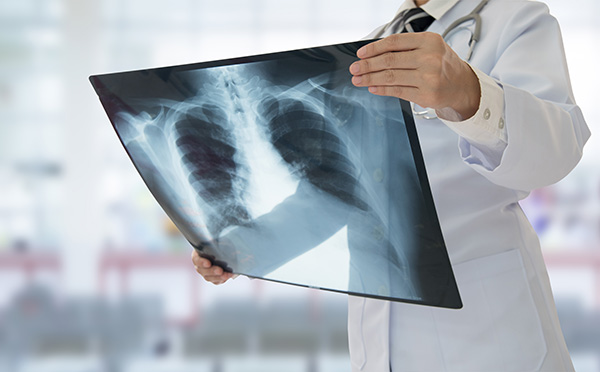
An X-ray is a widely used diagnostic test to examine the inside of the body. X-rays are a very effective way of detecting problems with bones, such as fractures. They can also often identify problems with soft tissue, such as pneumonia or breast cancer.
If you have a X-ray, you will be asked to lie on a table or stand against a surface so that the part of your body being X-rayed is between the X-ray tube and the photographic plate.
An X-ray is usually carried out by a radiographer, a healthcare professional who specialises in using imaging technology, such as X-rays and ultrasound scanners.
You can find out more about x-ray tests, how they are performed, their function and the risks by visiting the NHS website.